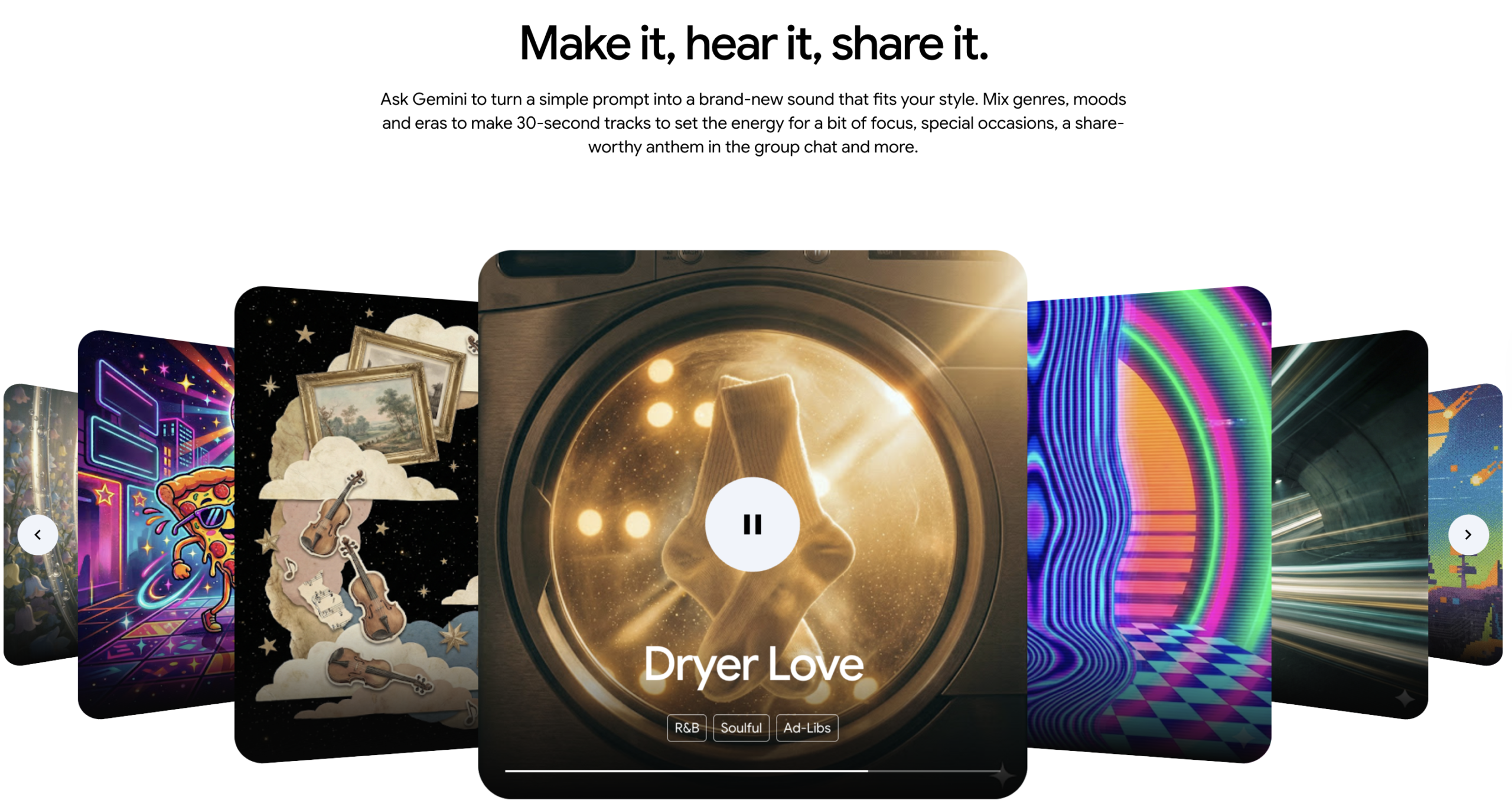

Google DeepMind Lyria 3: The Future of AI Music Generation
Written by Abdul Alim (Follow me on X: @CrazzyAlim)
The intersection of artificial intelligence and creative expression has reached a new fever pitch with the release of Google DeepMind Lyria 3. As an AI developer and tech enthusiast based in India’s vibrant startup ecosystem, I’ve seen my fair share of generative models, but Lyria 3 feels fundamentally different. It isn’t just about making “AI noises”; it’s about understanding the soul of music—the rhythm, the timbre, and the emotional resonance that only human composers used to capture. My name is Abdul Alim, and today we are dissecting how this breakthrough is redefining the industry.
If you’ve been following my tech breakdowns on X (@CrazzyAlim), you know I’m obsessed with how “Big Tech” like Google is competing with agile startups. Google DeepMind Lyria 3 represents their latest attempt to claim the throne in the generative audio space, moving beyond simple melodies into full-scale, high-fidelity production. For creators and developers alike, this model isn’t just a toy—it’s a professional-grade engine that could soon power everything from video game soundtracks to personalized study playlists.
What Makes Lyria 3 a Game-Changer?
While previous iterations of audio AI often suffered from “robotic” artifacts or poor structural consistency, Google DeepMind Lyria 3 utilizes a sophisticated transformer-based architecture optimized for temporal coherence. In simpler terms, it knows that a bridge in a song should relate to the chorus, and a beat-drop needs to feel earned. It processes audio as a multi-modal stream, allowing it to understand nuances in vocal performance and instrumental layering that were previously impossible.
One of the most impressive aspects of the Google DeepMind Lyria 3 launch on Product Hunt is its integration with SynthID. This invisible watermarking technology ensures that AI-generated audio can be tracked, addressing the massive ethical concerns regarding copyright and deepfakes in the music industry—a topic I frequently discuss on my LinkedIn profile.
Boost Your Productivity with StudyHelper.io
As we watch tools like Google DeepMind Lyria 3 change how we consume audio, I’m working hard on the flip side—changing how you learn from audio and text. I built StudyHelper.io to be the ultimate companion for anyone navigating the complex world of modern tech and education. While Google focuses on music, we focus on your mastery.
Check out our 5 core features:
- 📓 Messy Handwritten Notes to Structured Notes: Snap a photo of your notebook and let AI create professional, digital summaries.
- 🎥 Generate Explainer Videos: Turn your text-based research into engaging, visual video content instantly.
- 📺 YouTube Video to Study Material: Convert any educational lecture or tech tutorial into structured guides and notes.
- 📝 Quiz/Flashcard Generator: Let AI test your knowledge of your own files to boost memory retention.
- 🎙️ Generate Podcast: Turn your study material into high-quality AI podcasts—perfect for learning while you’re on the go!
Start your smarter learning journey today at StudyHelper.io.
Impact on the Creator Economy
The introduction of Google DeepMind Lyria 3 is going to cause a massive shift in how small-scale creators operate. Imagine a YouTuber who can now generate a royalty-free, high-quality soundtrack that perfectly matches the mood of their video script in seconds. This level of democratization is what the startup ecosystem thrives on. However, it also poses a challenge to traditional stock music sites and session musicians.
As I often say on my blog Crazzy.dev, the future isn’t AI replacing humans; it’s humans using AI to do things that were previously too expensive or time-consuming. Google DeepMind Lyria 3 is the ultimate “force multiplier” for independent artists.
Lyria 3 vs. The Competition
| Feature | Lyria 3 | Suno/Udio |
|---|---|---|
| Fidelity | Studio Grade | High (Variable) |
| Watermarking | SynthID Integrated | Limited |
| Availability | Google Ecosystem | Public Web Apps |
Frequently Asked Questions (FAQ)
Q: Is Google DeepMind Lyria 3 available to the public?
A: Currently, Lyria is being integrated into specific Google products and creator tools, with broader access expected soon through the DeepMind ecosystem.
Q: Does Lyria 3 help with copyright issues?
A: Yes, Lyria 3 utilizes SynthID, an invisible watermark that helps identify AI-generated content, protecting both creators and original artists.
Q: Can I use Lyria 3 for commercial music?
A: This depends on the specific licensing terms Google provides during the rollout, but it is heavily geared toward the creator economy.
Final Verdict
Google DeepMind Lyria 3 is a monumental step toward the democratization of high-end music production. Whether you are an AI researcher or a casual music lover, the implications are vast. We are entering an era where the barrier between “thinking of a song” and “hearing a song” is virtually non-existent. Stay tuned to my updates on X and LinkedIn for more AI news.
Don’t forget to visit StudyHelper.io to turn your learning sessions into high-speed success stories!
Stay innovative,
Abdul Alim

Leave a Comment